Why Is This Gemstone Shape Called an “Emerald Cut”?
When we talk about emeralds, there are different ways to cut and shape a gemstone. One of the best-known is the emerald cut, a rectangular or slightly square shape recognized by its cropped corners and step-cut facets.
But have you ever wondered why this particular cut is called an “emerald cut”? The answer is related to the history of the cut and, especially, to the natural characteristics of this gemstone.
What Is an Emerald Cut?
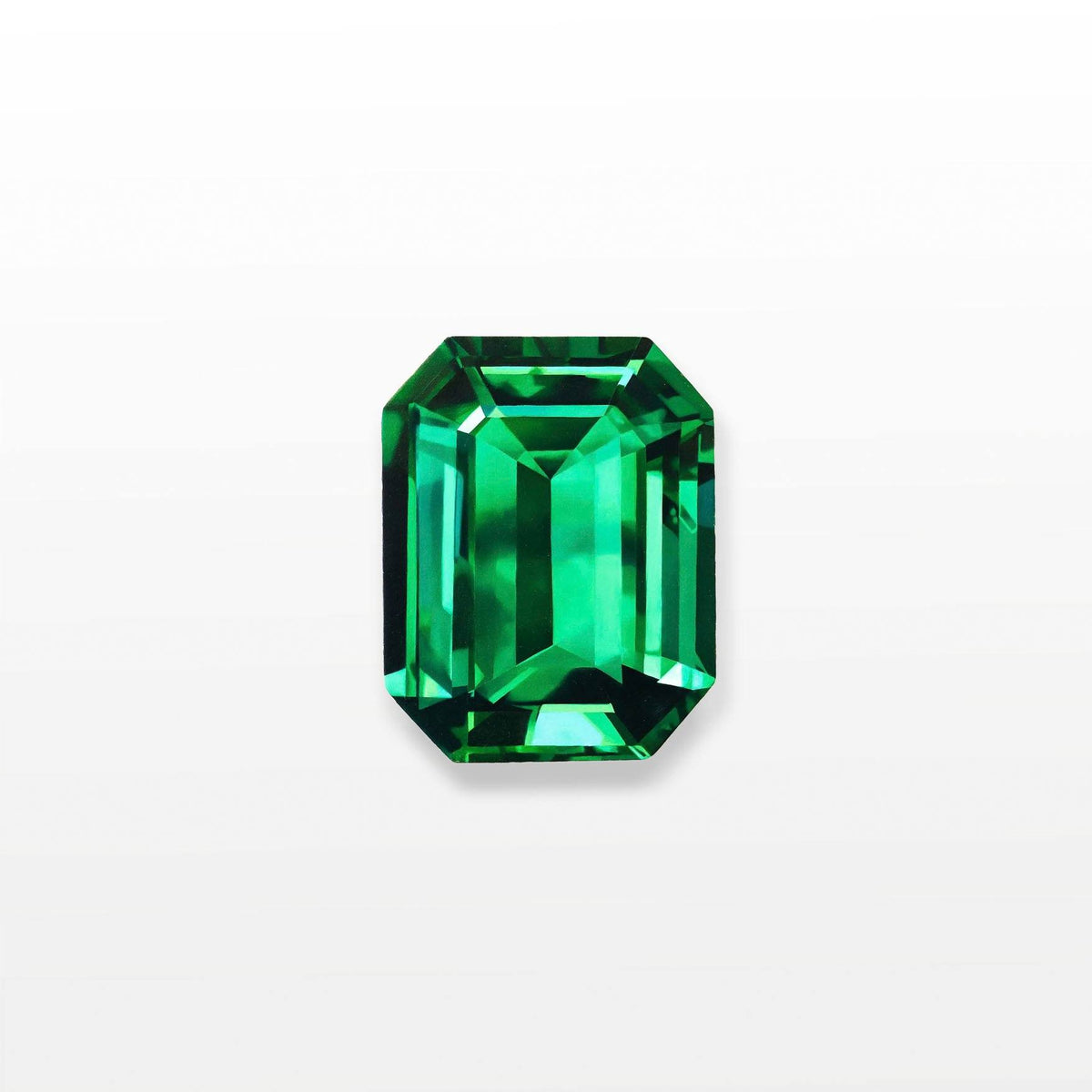
The emerald cut is a gemstone cut that generally features a rectangular shape with four cropped corners. Inside, it has long, step-cut facets arranged in parallel lines.
Unlike a brilliant cut, which uses numerous facets to produce many flashes of light, the emerald cut creates broader, more defined reflections. Its appearance is often clean, geometric, and sophisticated, making it easier to appreciate both the gemstone’s color and its internal characteristics.
Although this cut is now used for many different gemstones, its name is closely associated with emeralds.
Why Is It Called an Emerald Cut?
The name “emerald cut” is related to the historical use of this type of cut for emeralds.
Emeralds often contain natural inclusions and small internal fractures. These characteristics are very common in the gemstone and are part of its natural appearance. However, they can also make an emerald more susceptible to damage during cutting, polishing, or everyday wear.
For this reason, cutting styles were developed and used to work with emeralds while taking their internal structure into account and reducing the exposure of their corners to potential impacts.
The rectangular shape with truncated corners became one of the cuts most closely associated with emeralds and, over time, came to be known as the emerald cut.
It is important to clarify that the name refers to the cut, not exclusively to the material. Over time, the emerald cut began to be used for other gemstones as well.
What Are the Characteristics of an Emerald-Cut Emerald?
An emerald with this cut can usually be recognized by several distinctive characteristics:
Rectangular Shape
The traditional outline is rectangular and elongated, although there are also examples with proportions that are closer to a square.
Cropped Corners
All four corners are truncated, giving the gemstone an eight-sided outline.
Step-Cut Facets
Instead of the numerous facets characteristic of a brilliant cut, the emerald cut uses long facets arranged in a staircase-like pattern.
Greater Emphasis on Clarity
The large, open facets can make inclusions easier to see. For this reason, clarity is particularly important when selecting an emerald with this cut.
In an emerald, this also allows you to appreciate the internal characteristics that make each gemstone unique.
Emerald Cut vs. Brilliant Cut: What Is the Difference?
One of the main differences between these two cuts is the way they interact with light.
The brilliant cut is designed to maximize light return and produce numerous flashes. The emerald cut, on the other hand, uses step-cut facets that create broader and more defined reflections.
As a result, an emerald-cut gemstone tends to have a more geometric appearance and allows its color and internal characteristics to be seen more easily.
In emeralds, this can be especially relevant because natural inclusions are common and can be part of the individual character of each gemstone.
Why Is the Emerald Cut So Popular in Jewelry?
Although historically associated with emeralds, the emerald cut became widely used in jewelry because of its shape and visual characteristics.
Today, it is commonly found in rings, earrings, necklaces, and other jewelry pieces. It is also a popular choice for engagement rings, especially for those looking for a gemstone with an elongated and well-defined silhouette.
When it comes to Colombian emeralds, this cut can be an interesting option for certain stones, provided their internal characteristics, proportions, color, and structure are suitable.
Can All Emeralds Be Given an Emerald Cut?
Not necessarily. Choosing the right cut for an emerald requires evaluating the stone before the cutting process begins. Its size, original shape, inclusions, fractures, transparency, and color distribution can all influence the decision.
The cutter seeks to make the most of each crystal’s natural characteristics while working in a way that preserves an appropriate amount of material and reduces risks during the process.
That is why two emeralds of similar size can ultimately have completely different cuts.
Paula Bonilla
Social Communicator and Journalist, Sergio Arboleda University, Colombia