Heirloom Jewelry: How to Care for Antique Jewelry with Colombian Emeralds
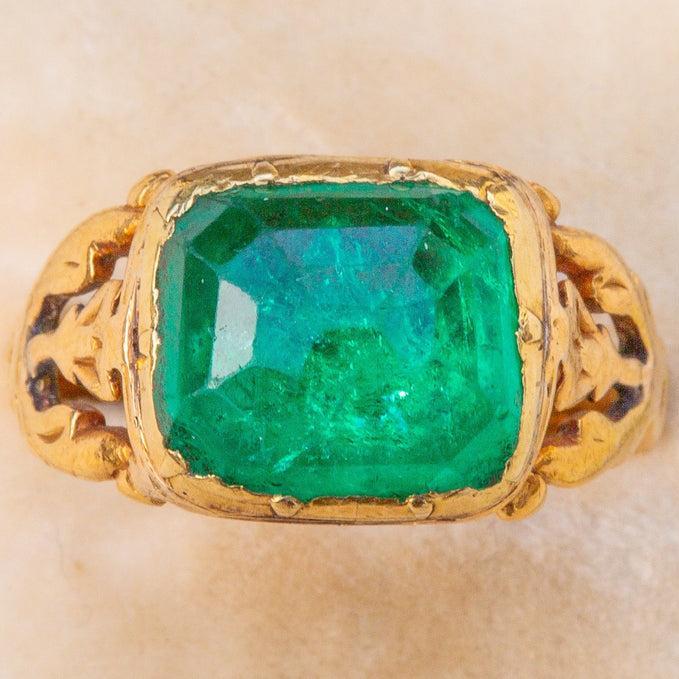
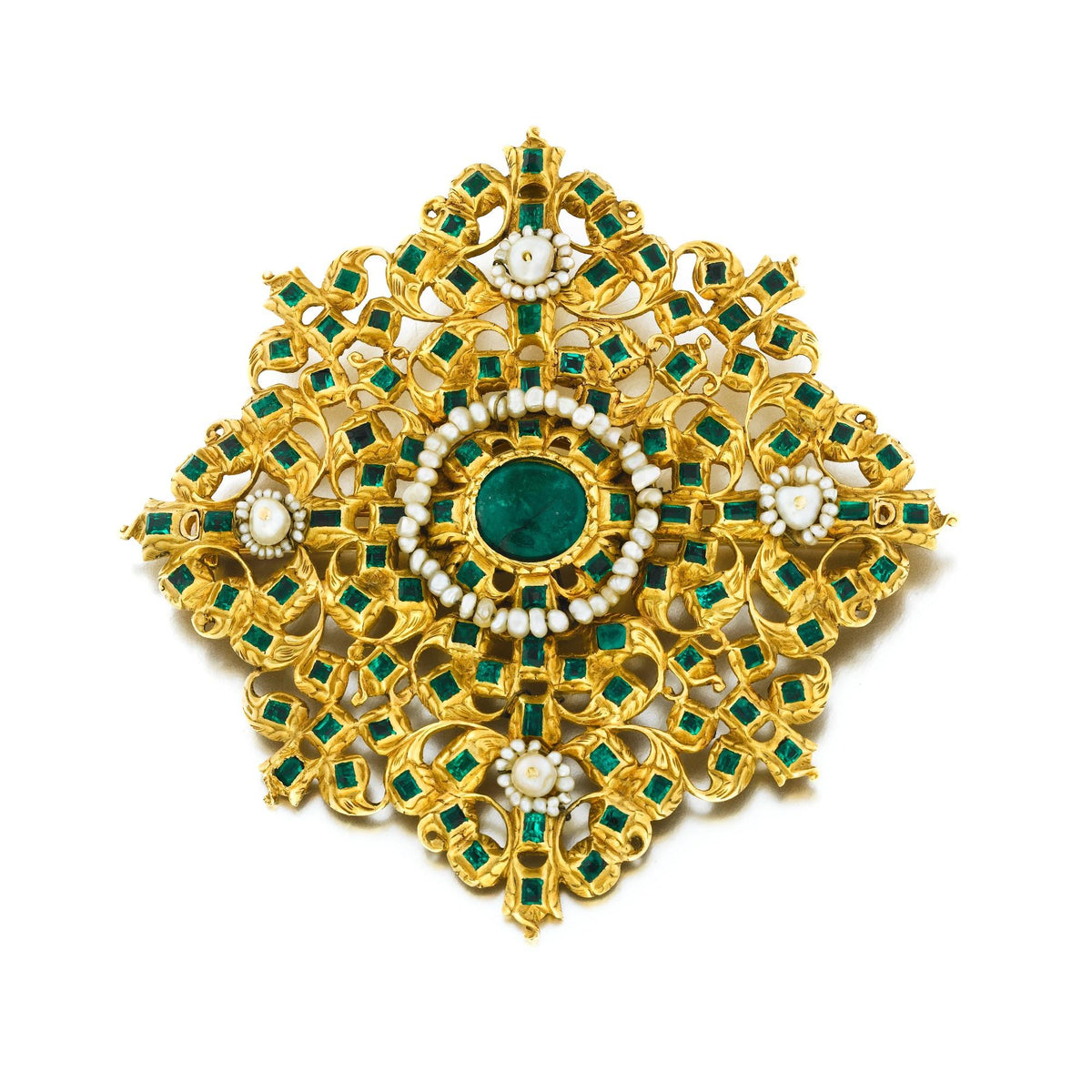
A ring that belonged to a grandmother, earrings passed down from one generation to the next, or a necklace worn on a special occasion can hold precious memories, family stories, and moments worth preserving.
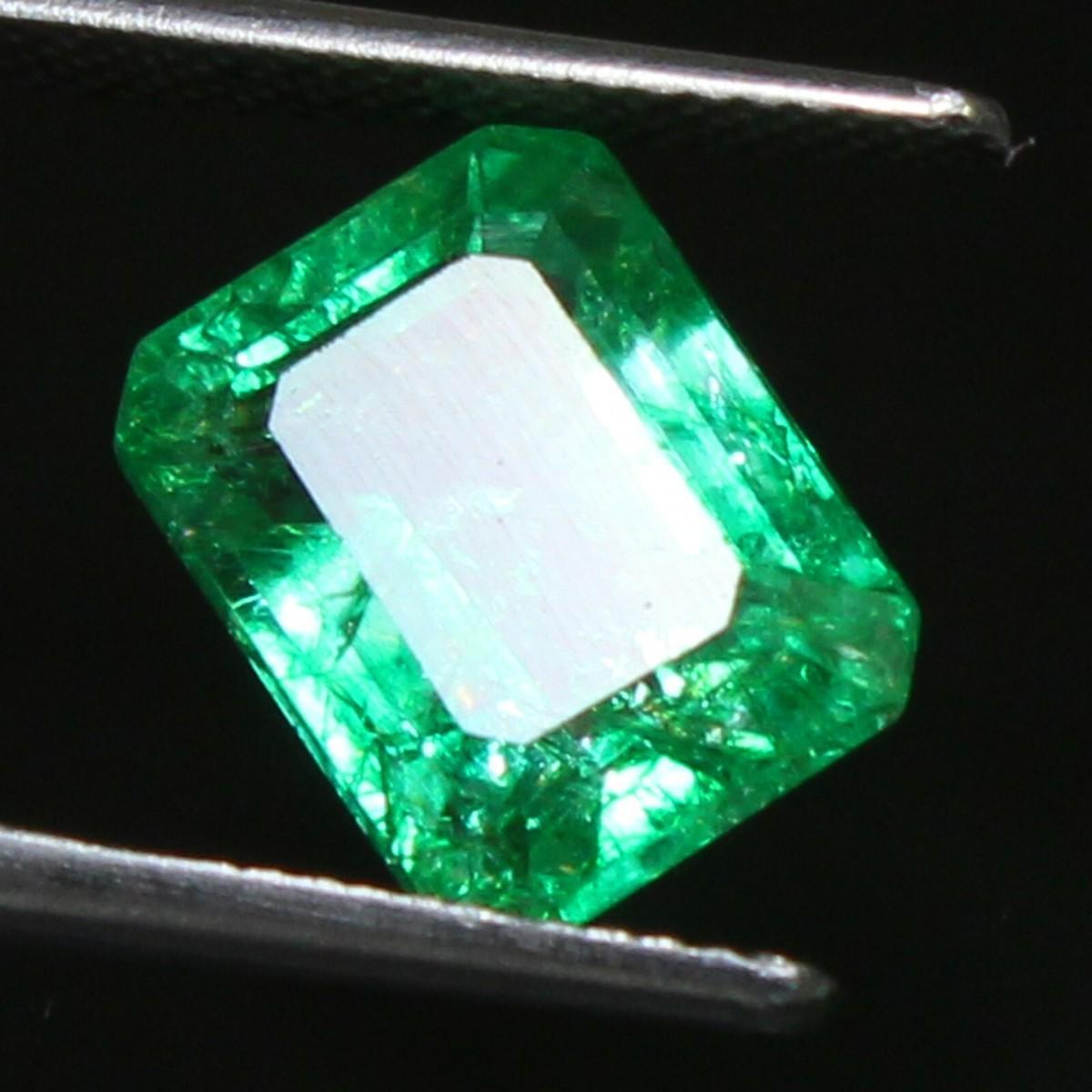
When these pieces feature natural Colombian emeralds, they require special care. Emeralds are treasured for their distinctive green color, but they also need careful handling to prevent damage that could affect their appearance and structure.
If you own an antique piece of jewelry featuring Colombian emeralds or have inherited one, here we explain how to care for it, which mistakes to avoid, and when it is best to consult a specialist.
Care for Your Antique Colombian Emerald Jewelry
1. Learn About Your Jewelry’s History and Condition
Before cleaning or modifying an heirloom piece, it is important to understand its characteristics. Some antique pieces were crafted using goldsmithing techniques that are less common today, while others may have delicate settings due to years of wear.
With the help of a professional, if necessary, check the following:
-
The condition of the emerald: Look for visible fractures, impact marks, chipped edges, or changes in its appearance.
-
The setting: Check whether the prongs holding the gemstone are worn, bent, or loose.
-
The metal: Identify whether the piece is made of gold, silver, or another material to determine the appropriate cleaning method.
-
Previous repairs: Some pieces have been modified or repaired over the years, which may affect their durability.
If the jewelry comes with an old gemological certificate, photographs, or family documents, keep them safe. These records can provide useful information about the piece and help document its history.
2. Clean Emeralds with Great Care
One of the most common mistakes when caring for antique jewelry is cleaning it as if it were a modern piece made from any other material.
Emeralds have a hardness of 7.5 to 8 on the Mohs scale, but this does not mean they are immune to impacts or fractures. In addition, many emeralds contain natural inclusions and may have undergone oil or resin treatments to improve the appearance of their fractures.
For simple at-home cleaning, follow these recommendations:
-
Use a soft, clean cloth to remove dust and fingerprints.
-
If a professional confirms that the piece can tolerate moisture, use a small amount of lukewarm water and mild soap without unnecessarily submerging it.
-
Clean gently, avoiding vigorous rubbing or hard-bristled brushes.
-
Remove any residue with a slightly damp cloth, if the condition of the jewelry allows it.
-
Carefully dry the piece with a soft cloth and make sure it is completely dry before storing it.
Important: If you do not know whether the emerald has been treated or are unsure about the condition of its setting, avoid experimenting with cleaning methods. The safest approach is to consult a jeweler experienced in gemstones.
3. Avoid Products and Methods That Could Damage Your Jewelry
Heirloom jewelry can be particularly delicate after decades of wear, previous repairs, or exposure to a weakened setting.
Avoid the following practices:
-
Ultrasonic cleaners: Vibrations can worsen existing fractures or affect a weakened setting.
-
Steam cleaners: Heat can be harmful to some treated emeralds and certain jewelry materials.
-
Alcohol, chlorine, and harsh chemicals: These can affect treatments, adhesive residues, or other components of the piece.
-
Very hot water and sudden temperature changes: These may increase the risk of damage to gemstones containing fractures.
-
Toothpaste, baking soda, and abrasive powders: These can scratch or deteriorate surfaces and finishes.
Remember that an antique emerald does not need to look brand-new to retain its beauty. Its appearance is part of its history, and attempting to remove every sign of age is not always advisable.
4. Store Each Piece of Jewelry Separately
One of the best ways to protect your heirloom jewelry is to pay attention to how you store it when it is not being worn.
Although emeralds are relatively hard, they can be damaged through contact with other gemstones, metals, or hard surfaces. It is also important to prevent pieces from becoming tangled or knocking against one another.
To store your jewelry properly:
-
Keep each piece in a soft pouch or an individual compartment.
-
Choose a cool, dry place away from direct sunlight.
-
Avoid areas exposed to extreme temperature fluctuations.
-
Keep jewelry away from perfumes, creams, and cleaning products.
-
Check the storage area regularly for accumulated moisture.
If you have several pieces of family jewelry, you can keep them in an organized jewelry box and include a small information card with each piece, noting its history, known materials, and any repairs that have been performed.
5. Can You Wear an Heirloom Piece Every Day?
Yes, but it depends on the condition of the piece and your daily activities.
An antique emerald ring can accompany you for many years if its setting is secure and you wear it carefully. However, not every heirloom piece is suitable for everyday wear.
It is advisable to remove your jewelry before:
-
Exercising or playing sports.
-
Doing household chores or working with tools.
-
Swimming in chlorinated pools or in the ocean.
-
Applying cosmetic products directly to the jewelry.
-
Taking part in activities where the piece could be struck or caught on something.
If you notice that the emerald moves, a prong is lifted, or the piece makes an unusual sound when handled, stop wearing it until a specialist has examined it.
6. Have the Setting Inspected by a Professional
In antique jewelry, a worn setting can pose just as much risk as the condition of the emerald itself.
Over time, the prongs holding the gemstone may become thinner, bend, or lose their grip. An accidental drop could cause the gemstone to come loose or suffer a fracture.
For this reason, it is advisable to request a professional inspection that includes:
-
Checking that the emerald is secure in its setting.
-
Assessing the condition of the prongs, gemstone settings, and joints.
-
Looking for fractures, impact marks, or damage to the stone.
-
Determining whether specialized cleaning is necessary.
-
Evaluating repair options that preserve the original design.
If the jewelry has considerable historical or sentimental value, ask the specialist to explain the risks before authorizing any work. Not every piece needs restoration, and unnecessary modifications could alter its original design.
7. Should You Restore an Antique Emerald?
Not always. Before restoring an heirloom piece, it is important to determine what you want to preserve and why.
Restoration can be helpful if the setting is deteriorating or there is a risk of losing the gemstone. However, replacing the emerald, recutting it, or modifying the structure of the piece may alter its characteristics and historical or sentimental value.
Before making a decision, consider the following:
-
If the jewelry is in good condition: A preventive inspection may be all that is needed.
-
If the setting is weakened: Repairs may be necessary to secure the gemstone.
-
If the emerald is fractured: Request a gemological assessment before considering any intervention.
-
If the piece is exceptional or historically significant: Seek a specialist in antique jewelry restoration.
The best intervention is not necessarily the one that makes a piece look newly manufactured, but the one that preserves it without losing the details that make it special.
8. Preserve Its History for Future Generations
An heirloom piece of jewelry passes down more than precious materials. It can also tell the story of who wore it, the occasions on which it was worn, and how it became part of the family.
To preserve this history, you can photograph the piece, record any family stories you know, and keep the certificates or documents associated with it. If you arrange a repair, also retain information about the work performed.
In the case of Colombian emeralds, a gemological assessment can help document the gemstone's characteristics. However, determining its geographic origin requires specialized evaluation and, when appropriate, suitable gemological testing.
This way, future generations will be able to learn more about the jewelry they inherit and understand why it deserves special care.
A Family Heirloom Deserves to Keep Telling Its Story
Caring for an heirloom piece featuring Colombian emeralds means protecting much more than a precious gemstone. It means preserving memories, traditions, and a part of your family history for generations to come.
At Emerald By Love, we value natural Colombian emeralds and the jewelry that keeps the connection between generations alive. If you own an antique piece and would like to learn more about its characteristics or assess the options for preserving it, seeking professional guidance is the first step toward making an informed decision.
Because some pieces of jewelry are not simply worn: they are inherited, cared for, and made part of our story.
Paula Bonilla
Social Communicator and Journalist, Sergio Arboleda University, Colombia