Women and Jewelry: The Saving Method of Ancient Times
Throughout history, women have found different ways to protect their wealth, secure their well-being, and plan for the future. In times when modern financial systems did not exist, women’s ingenuity played a key role in transforming certain objects into true treasures.
Among those objects, jewelry held a special place. More than adornments, they were investments, survival tools, symbols of status, and above all, an intelligent method of saving that passed from generation to generation. Today, this historical origin continues to influence how we perceive and value jewelry.
Women and Saving in Ancient Times
In many ancient eras, women had limited access to economic rights. They could not have bank accounts, own property, or engage in commercial transactions as we do today. However, that didn’t stop them. They found in jewelry the safest, most portable, and socially respected method of saving.
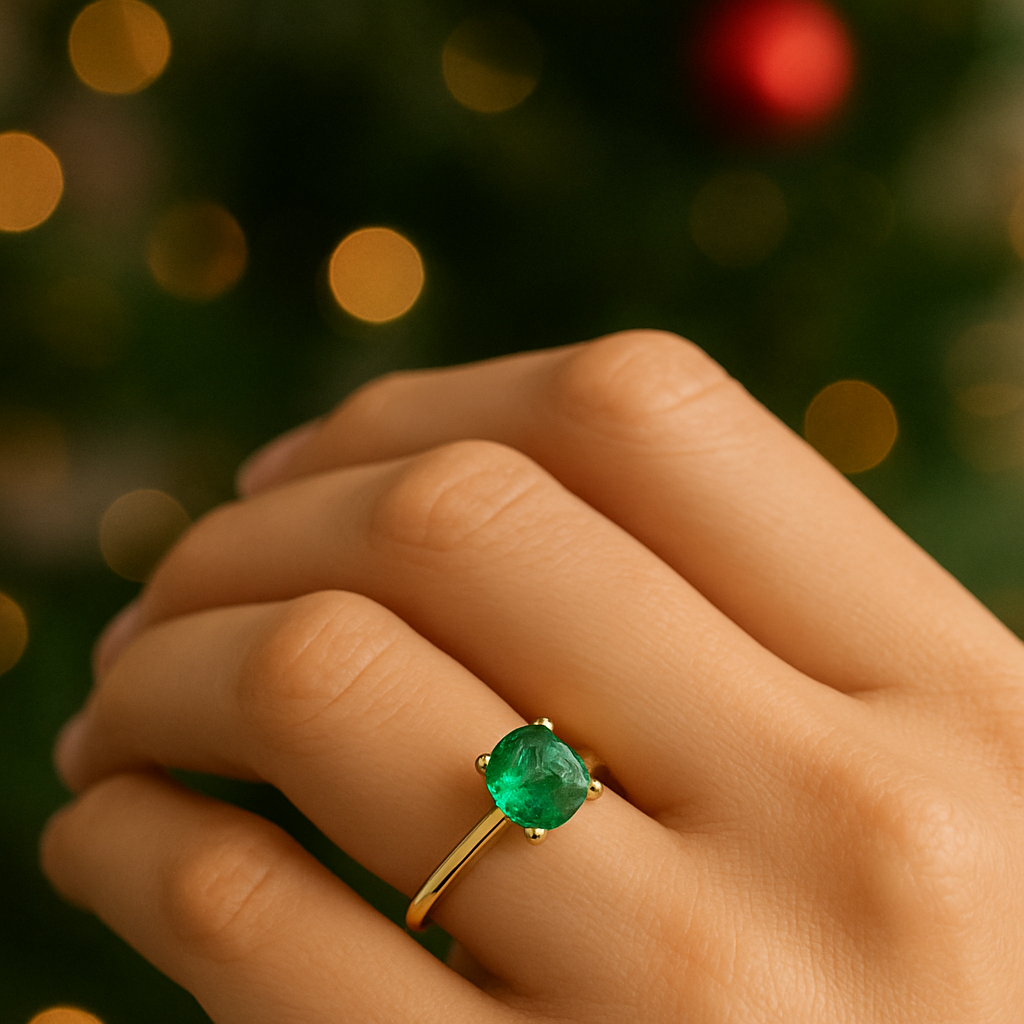
Families often gifted jewelry to women as part of their dowry or personal inheritance. Necklaces, rings, and bracelets represented more than beauty—they were a woman’s “savings account,” something she could carry with her and convert into money during difficult times.
Jewelry and Femininity
For thousands of years, jewelry has been closely linked to femininity. From Mesopotamian cultures to medieval European societies, women were the ones who primarily wore, exchanged, and inherited precious pieces. This reinforced the idea that jewelry was a symbol of feminine identity.
Additionally, each piece carried a story. They represented protection, prosperity, marriage, social status, and power. Through them, women expressed themselves, empowered themselves, and safeguarded their economic stability.
Times of Crisis: When Gems Saved the Day
In moments of war, forced migration, political instability, or economic crisis, jewelry became salvation. Families could sell it, trade it for food, or use it to start a new life elsewhere. A high-quality gem could equal months or even years of stability.
This is why jewelry was considered an investment: it did not lose value easily, was easy to transport, and could be inherited to protect future generations.
Favorite Jewelry Pieces of the Time
Among the most valued and easily tradable pieces were:
-
Solid gold rings
-
Necklaces with precious stones
-
Rigid gold bracelets
-
Earrings with natural gems
-
Brooches or filigree pieces
-
Amulets with emeralds, rubies, or sapphires
-
Small tiaras or crowns in high-status families
How Jewelry Is Seen Today
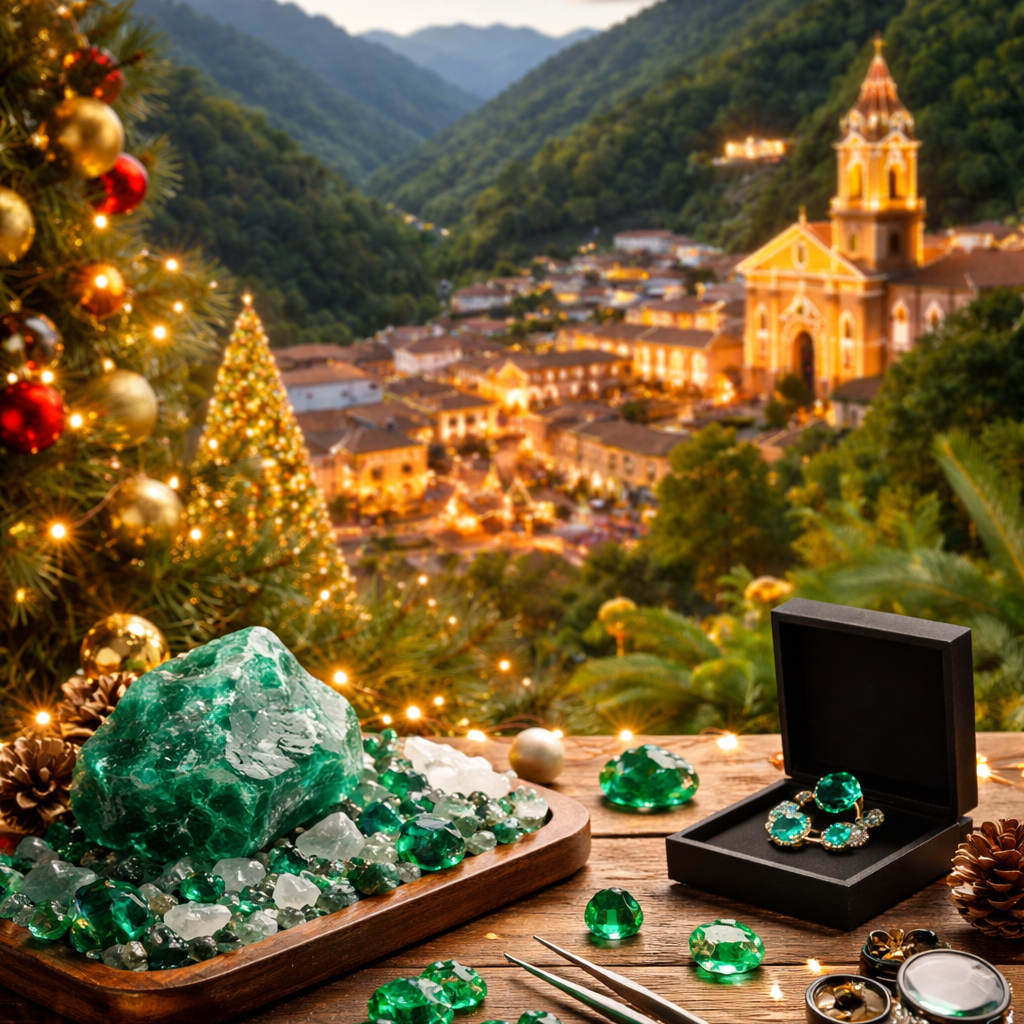
Today, although women can access bank accounts, digital investments, and many savings alternatives, jewelry is still a reliable store of value. Natural gemstones—especially Colombian emeralds—maintain universal prestige and continue to be considered a smart investment.
Beyond economics, jewelry continues to represent history, style, and emotional connection. They accompany life’s most important moments: engagements, births, personal achievements, and family celebrations. They remain cherished heirlooms passed down through generations.
Emerald By Love: Buy Jewelry You Can Trust
If you’re thinking about acquiring jewelry with real value, identity, and tradition, Emerald By Love is your best choice. We specialize in 100% authentic Colombian emeralds, certified and selected under high-quality standards. Each piece combines beauty, investment, and meaning.
Shop with confidence, choose jewelry that tells stories, and build a legacy that will retain its value over time.
Paula A. Bonilla
Social Communicator and Journalist from Sergio Arboleda University in Colombia. Passionate about constantly learning about precious gems and national fine jewelry. She currently works for one of the most important jewelry stores in Bogotá, Emerald by Love. This jewelry house has more than 40 years of experience in emeralds and has two physical stores in Colombia’s capital, located in the city center.