Chivor: Colombian Emerald Mine
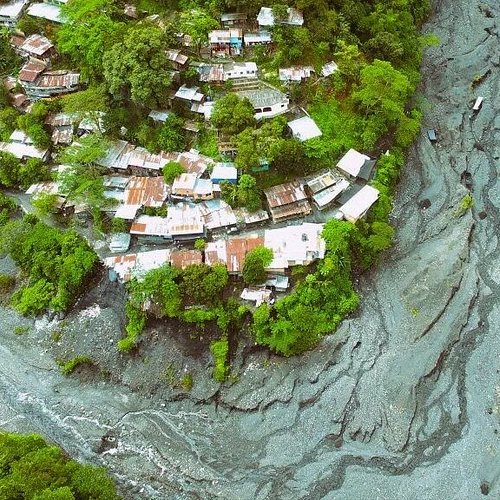
When talking about Colombian emeralds, Chivor is one of the names that cannot be left out. Located in the department of Boyacá, this mining region is known for the quality and distinctive characteristics of its emeralds, as well as for its important place in the history of emerald mining in Colombia.
Chivor emeralds have attracted the interest of gemstone enthusiasts for decades. Their geological origin, green hues, and characteristic inclusions give each specimen its own identity.
Where Is the Chivor Emerald Mine Located?
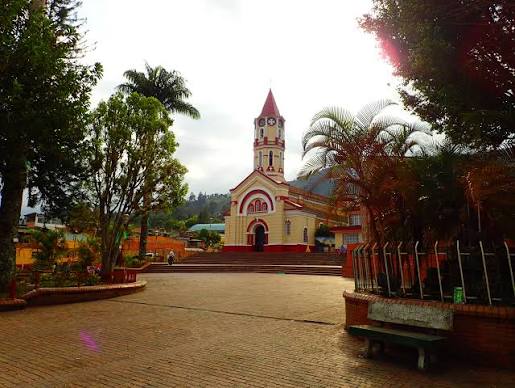
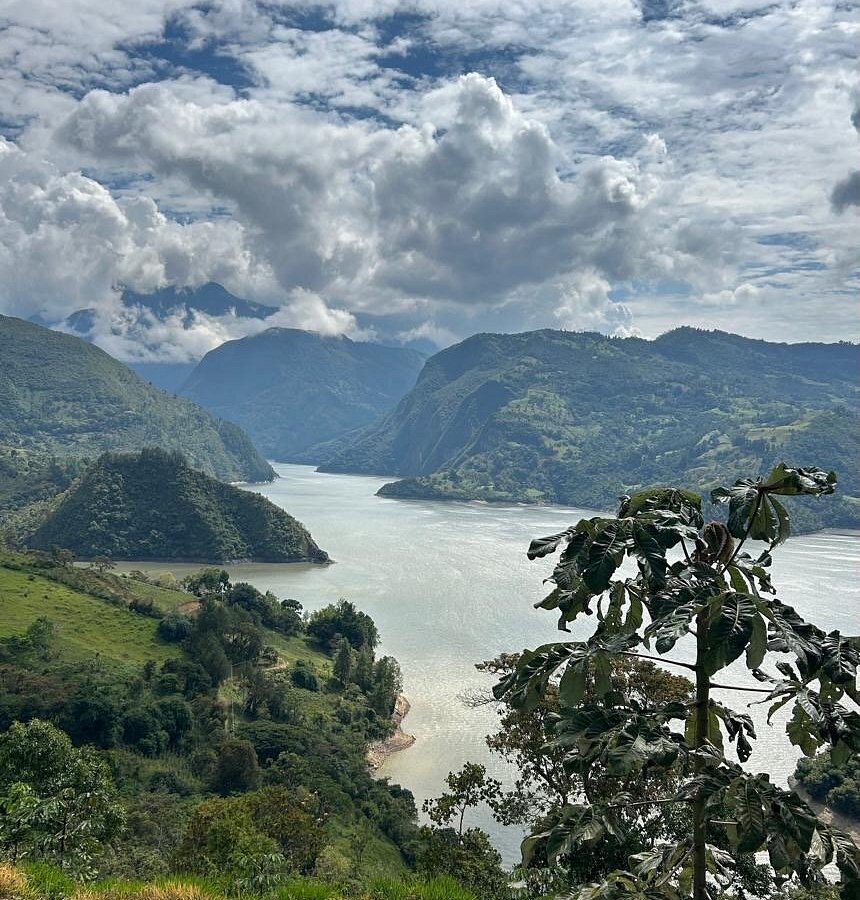
Chivor is located in the department of Boyacá, Colombia, in the eastern region of the Eastern Cordillera of the Andes. The area is characterized by a mountainous landscape, abundant vegetation, and geological conditions that favored the formation of emerald deposits.
The region is known for its historic emerald deposits, which are part of Colombia's mining history and the country's long-standing emerald tradition.
The History of Chivor Emeralds
The history of Chivor is connected to one of Colombia's oldest emerald traditions. Before the arrival of the Spanish, Indigenous communities in the region already knew about and used emeralds.
During the colonial period, the Spanish began exploiting the area's deposits, and Colombian emeralds gradually gained recognition beyond the country's borders.
Over time, Chivor became one of the most important names associated with Colombian emerald production, alongside other mining regions such as Muzo, Coscuez, and Gachalá.
What Are Chivor Emeralds Like?
Although all Colombian emeralds belong to the same mineral variety, beryl, the geological conditions of each deposit can produce different characteristics.
Chivor emeralds can display green hues ranging from medium to intense green, depending on the individual stone. They may also contain internal inclusions that allow gemologists to study their origin and formation.
One of the most fascinating characteristics of a natural emerald is precisely its inner world. These inclusions, popularly known as the emerald's "garden," can provide information about how the stone formed and can assist in certain identification and origin-determination processes.
Why Are Chivor Emeralds Important?
Chivor is part of the history that made Colombia one of the countries most recognized worldwide for its emeralds.
The importance of its mines goes beyond the commercial value of the gemstones. There is also a historical, geological, and cultural component that connects Chivor to centuries of tradition surrounding this gem.
For emerald collectors, knowing the origin of a stone can add a special dimension to its acquisition. A Colombian emerald is not simply a green gemstone; it can also represent a small piece of the geology and mining history of a region.
Chivor and the Value of a Colombian Emerald
The price of a Chivor emerald does not depend exclusively on its origin. Two stones from the same region can have very different values.
Factors that may influence an emerald's price include:
- Color: the intensity, saturation, and distribution of the green.
- Clarity: the quantity, type, and visibility of inclusions.
- Transparency: how much light can pass through the stone.
- Cut: how the gemstone has been shaped to make the most of its characteristics.
- Size: weight expressed in carats.
- Treatments: particularly the presence and degree of oil or other treatments.
- Overall quality: the combination of all the characteristics above.
For this reason, saying that an emerald is "from Chivor" provides information about its origin, but does not, by itself, determine its quality or price.
From Chivor to Your Jewelry: Emerald By Love
At Emerald By Love, we believe that knowing the origin of an emerald makes the experience of acquiring a piece of jewelry even more special.
We work with Colombian emeralds and create jewelry in Colombia, seeking to connect the country's rich emerald-mining tradition with contemporary designs in gold and silver.
From an individually selected emerald to a finished piece of jewelry, every creation represents a part of the history of this Colombian gemstone.
Paula A. Bonilla
Social Communicator and Journalist from Universidad Sergio Arboleda in Colombia.